Glaucoma is the name given to a group of eye diseases where vision is lost due to damage to the optic nerve. It causes irreversible vision loss due to damage to the optic nerve. The loss of sight is usually gradual, and a considerable amount of peripheral (side) vision may be lost before there is an awareness of any problem. Unfortunately, there is no cure for glaucoma, and vision loss is irreversible.
Glaucoma is usually caused by an increase in intraocular pressure (IOP) which can damage the optic nerve. The level of elevated eye pressure which causes progressive damage to the optic nerve varies between people. Some people can have high eye pressure without glaucoma (known as ocular hypertension) while other people can have normal eye pressure with glaucoma (known as normal tension glaucoma).
The eye constantly produces a clear liquid called aqueous humor which it secretes into itself. This fluid nourishes the eye and holds the eye in shape. The fluid is then drained out through an area called the anterior chamber angle or drainage angle. If there is damage to the drainage angle, the rate at which the eye produces the aqueous humor becomes greater than the rate the eye can drain it – causing high IOP in the eye.
This increased pressure begins to damage the optic nerve which lies at the back of the eye. The optic nerve is made up of approximately one million nerve fibres which connect the back of the eye to the brain. Damage to the cells of the optic nerve results in irreversible damage to your eyesight.
Although anyone can get glaucoma, some people have a higher risk, those with a family history of Glaucoma, diabetes, migraine, short-sighted, eye injuries, high blood pressure, and past or present use of cortisone drugs (steroids). People in these groups should have their first eye check no later than the age of 35. For most people, it is recommended to have an eye check for glaucoma by the age of 40.
For more information, please visit, Glaucoma Australia.
glaucoma
FAQs
-
The fluid pressure that builds up inside the eye may be caused by producing too much fluid or the fluid being blocked from leaving the eye. When this fluid pressure builds up, it can cause damage to the sensitive optic nerve cells at the back of the eye. Optic nerve cells carry messages from your eye to your brain and once damaged, vision is lost permanently.
-
Glaucoma is more likely to occur, and you should have your eyes checked regularly for glaucoma, if:
You are over the age of 40 years
Your mother, father, brother or sister have glaucoma
You have diabetes, high blood pressure or another eye disease
-
Commonly, glaucoma causes no pain or discomfort, does not affect how clearly you see and progresses slowly. You may not even know if you have glaucoma. Sometimes the pressure will rise quickly and cause intense eye pain and redness. This type of glaucoma is an emergency and needs treatment as soon as possible.
-
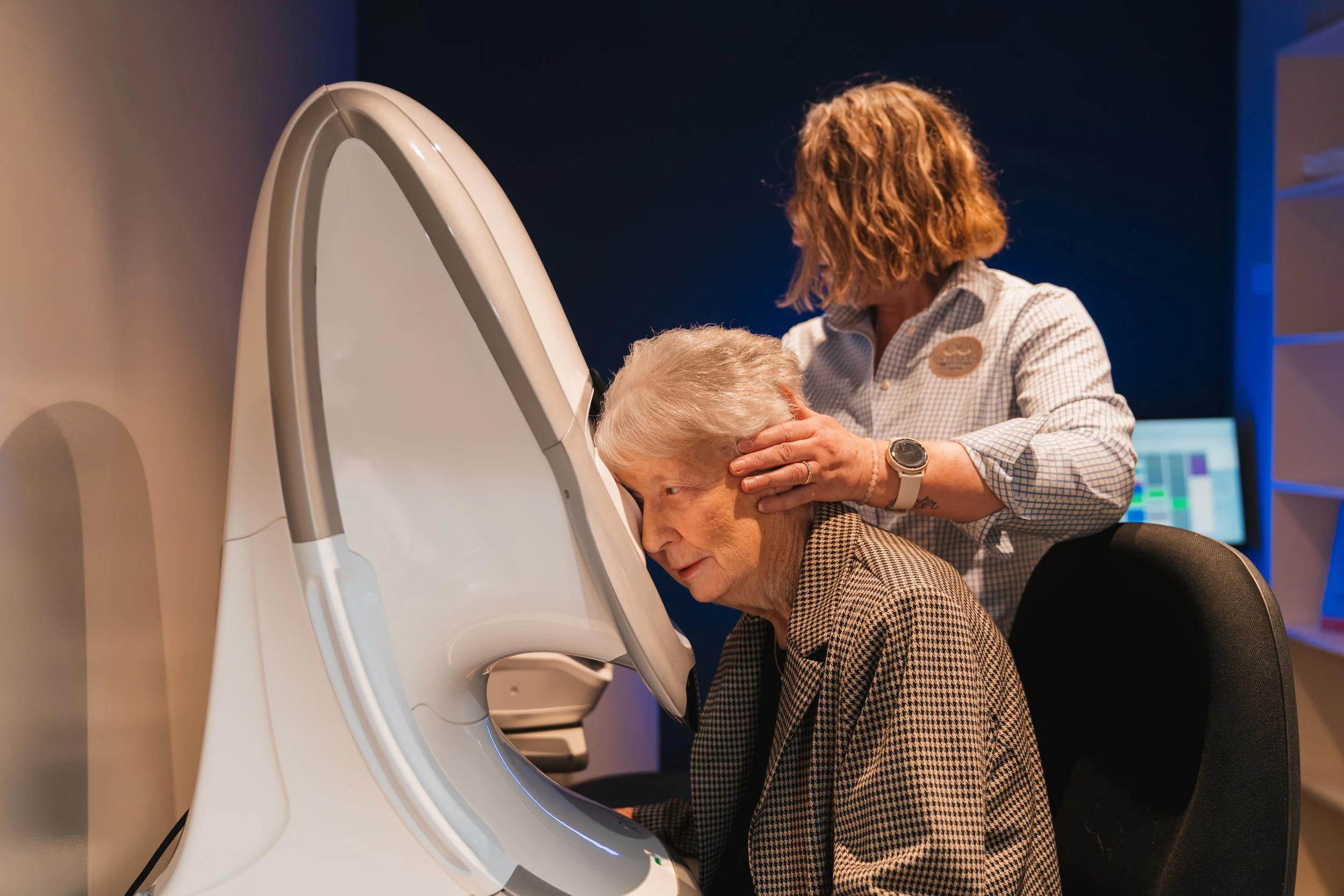
As part of your eye examination our optometrist will:
Check the pressure inside your eye
Check your field of vision
Check if your optic nerve is damaged
It is common for the optometrist to put eye drops in your eyes when checking for glaucoma. They may need to take a photograph of the optic nerve for comparison at your next eye exam. Using these results and information from other tests, optometrists are able to tell if you have glaucoma or are at risk of developing glaucoma.
-
While glaucoma cannot be completely prevented and vision loss from glaucoma is permanent, early detection and treatment can reduce damage to the optic nerve and loss of vision. Glaucoma is usually treated with prescription eye drops. Once diagnosed with glaucoma, you will need treatment for life. Sometimes, eye drops alone will not control the damage to the optic nerve and laser treatment or surgery is needed.