
Diabetic retinopathy is a complication of diabetes that affects the eyes. It occurs when high blood sugar levels damage the blood vessels in the retina, the light-sensitive layer at the back of the eye. This can lead to vision problems and, if untreated, can cause blindness.
There are two main stages of diabetic retinopathy:
Non-Proliferative Diabetic Retinopathy (NPDR): In this early stage, blood vessels in the retina become weakened, leading to leakage of fluid or blood. This can cause swelling and the formation of tiny aneurysms (small bulges in the blood vessels). Symptoms might include blurred vision, but sometimes there are no noticeable symptoms.
Proliferative Diabetic Retinopathy (PDR): This more advanced stage occurs when the damaged blood vessels close off, causing the retina to grow new, abnormal blood vessels. These new vessels are fragile and can bleed easily, leading to severe vision problems and even blindness. PDR can cause symptoms such as floaters, flashes of light, and severe vision loss.
Early detection and management are crucial. Regular eye exams are important for people with diabetes to monitor for any signs of retinopathy and to manage blood sugar levels effectively to prevent or slow its progression. Treatment options may include laser therapy, medications, or surgery, depending on the severity of the condition.
diabetic retinopathy
FAQs
-
The risk of developing diabetic retinopathy is greater if diabetes has been present for a long time or blood sugar levels are not well controlled. Other risk factors include smoking, poor diet and elevated blood pressure. To reduce the risk of developing diabetic retinopathy,
it is important to control your blood sugar levels as much as possible.
-
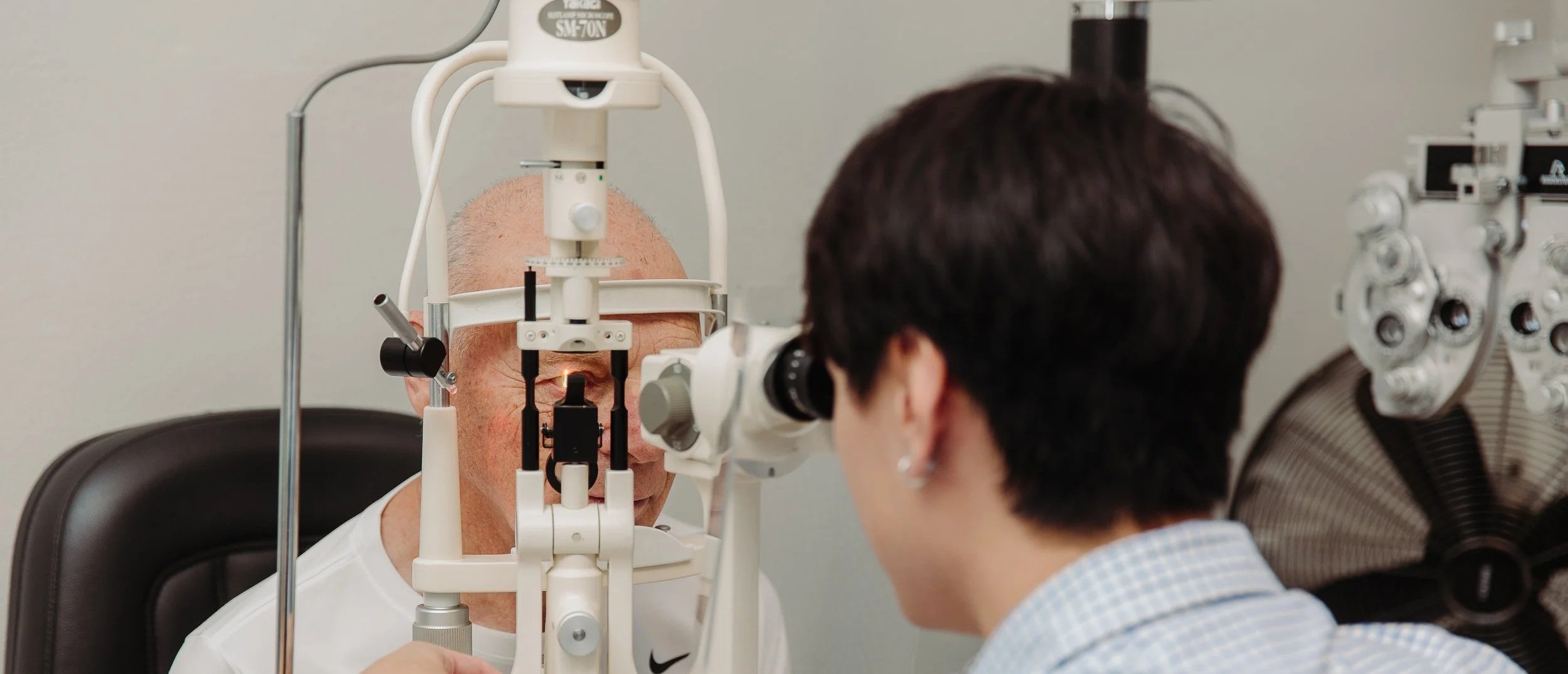
As part of your eye examination your optometrist will check the health of your eyes. It is common for your optometrist to put eye drops in your eyes when checking for diabetic retinopathy. They may need to take a photograph (Optos) of your retina for comparison at your next eye examination.
If you are diabetic, your optometrist may need to see you more often than once every two years. They will usually refer patients whom they suspect have diabetic retinopathy to an ophthalmologist (eye surgeon) for confirmation and treatment.
-
In its early stages, diabetic retinopathy is monitored with regular eye examinations. If more severe diabetic retinopathy is suspected, your optometrist will refer you to an ophthalmologist for treatment.
If needed, the ophthalmologist may use laser to treat the leaking blood vessels. In some cases, eye surgery may be required.
Treatment for diabetic retinopathy aims to prevent further damage to the eye and keep the best vision for as long as possible. Usually surgery cannot restore vision that has been lost.
It is important to remember that early detection and if necessary, treatment are the best ways to reduce the risk of vision loss from diabetic retinopathy.